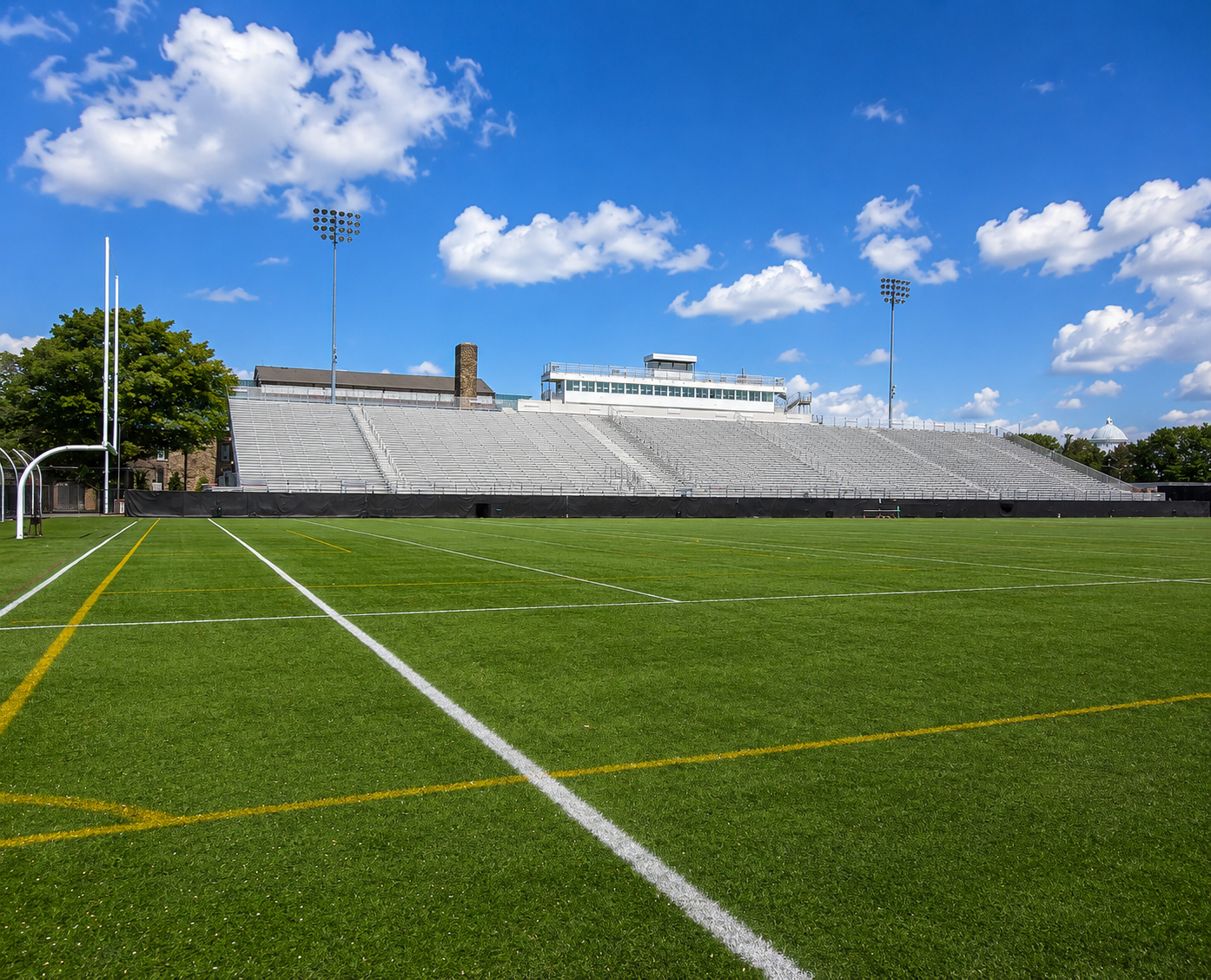






For most schools, summer is the highest-demand rental season of the year. Camps want gym time. Tournament directors are hunting for fields. Churches need auditoriums. Nonprofits want classrooms. Youth organizations, club teams, training academies, and community groups are all looking for space. And most schools have plenty of it sitting idle.
The opportunity is real. So is the operational tension underneath it.
Every summer rental decision balances revenue against facility protection, staff workload against community access, and scheduling flexibility against the building maintenance that has to happen before students return in August. Most schools don't struggle with demand. They struggle with the quiet worry that more demand will create more operational chaos than the revenue is worth. That worry is usually well-founded, because last year's process can't absorb this year's volume.
The schools that handle this well usually share one trait: they prepare before summer actually starts. The ones that struggle tend to react their way through June and July, putting out fires that better planning would have prevented in May.
This guide walks through what that preparation actually looks like.
Start with a summer rental plan
Summer doesn't ambush schools with demand. It ambushes them with the assumption that everyone still remembers how it worked last year. The first move is sitting down, ideally well before Memorial Day, and answering a few foundational questions about what the season is actually going to look like.
Which facilities are available this summer? Which should stay restricted? Which dates are blocked for maintenance projects, internal camps, or staff vacation gaps? What does the approval workflow look like once requests start coming in?
It helps to walk through your inventory one space at a time: gyms, turf fields, baseball and softball complexes, auditoriums, classrooms, cafeterias, weight rooms, even parking lots for larger community events. Each of these has different rental potential, different operational requirements, and different risk profiles. Treating them as one undifferentiated bucket is how schools end up with double bookings, frustrated renters, and a maintenance crew finding out about an event two hours before it starts.
The biggest source of operational drag in summer usually isn't the volume. It's the fact that nobody defined the process before requests started landing.
Designate a clear point of contact
Summer staffing tends to be thinner than the rest of the year. Athletic directors are on vacation. Facilities staff are working around maintenance projects. Front office hours change. In that environment, rental requests get lost between departments faster than anyone realizes.
The fix is straightforward: assign a primary contact person, and name backup approvers in case that person is out. Then clarify, in writing, who owns each piece of the process: scheduling, payments, insurance verification, custodial coordination, facility access. Renters don't need to know the internal org chart. They just need one clear path to an answer.
One of the fastest ways to frustrate a community organization is forcing them to chase three different people across two departments just to confirm whether a Saturday in July is available.
Reevaluate summer facility availability
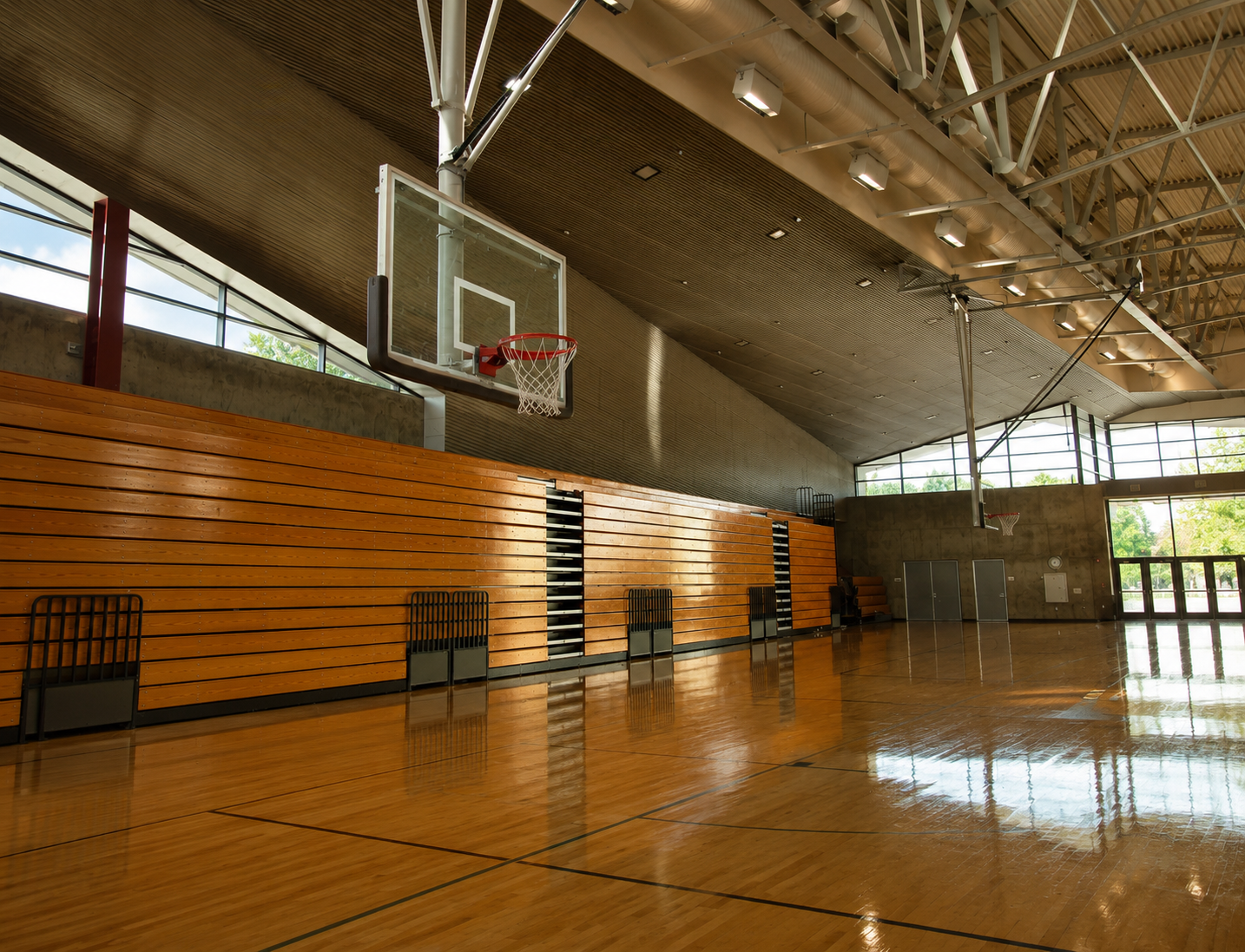
Your school-year availability template almost certainly doesn't fit summer. Reduced staffing, ongoing maintenance projects, different athletic team schedules, and heat-related concerns for outdoor facilities all change what's actually rentable. The custodian who can cover three back-to-back events on a Tuesday in February might be the only person on-site in July.
A few practical adjustments worth making before the season begins:
- Set rental hours that reflect actual staffing coverage, not the academic year defaults
- Define blackout dates for maintenance, deep cleaning, and internal use
- Build realistic turnaround windows between events so custodial staff aren't constantly in scramble mode
- Avoid stacking back-to-back bookings that quietly assume staff who aren't actually scheduled
Summer availability should reflect operational reality, not just open space on a calendar.
Revisit pricing before the season starts
A lot of schools haven't touched their facility rental rates in years. Meanwhile, every cost associated with running the building has crept up: HVAC, utilities, cleaning, security, field maintenance, and the wear and tear nobody really notices until July, when the gym floor that hosted four camps looks like the gym floor that hosted four camps.
It's worth pulling rates back out and looking at them with fresh eyes. Consider:
- Hourly base rates for each facility type
- Staffing and supervision fees
- Custodial requirements and associated charges
- Security charges for after-hours or large events
- Deposit structures for higher-risk rentals
- Nonprofit and community-group discount tiers
- Multi-day event pricing
The goal isn't to price the community out. It's to make sure rentals remain sustainable for the district — that the program continues to be something the school can offer rather than something it ends up quietly subsidizing.
How much are your facilities worth?
Drag the sliders to match your district. These are the kind of numbers that get a superintendent's attention — and give your finance team a new line item to work with.
Clarify insurance and liability requirements
Summer concentrates risk. More events, more outside organizations, more participants who aren't your students, more activities your staff isn't directly supervising. The kid who twists an ankle at a community basketball clinic doesn't care that the certificate of insurance was sitting in someone's inbox from March, waiting to be reviewed. That's not a reason to pull back from rentals. It's a reason to tighten the paperwork before the season starts.
Every renter should be required to submit a certificate of insurance meeting your district's coverage minimums, sign a facility-use agreement, and acknowledge the facility rules in writing. This applies across the board: youth camps, individual trainers running clinics, tournament organizers, third-party vendors, even community groups that have rented from you for years.
The administrative challenge here is usually volume, not policy. Collecting, verifying, and tracking certificates manually through email becomes genuinely difficult once requests pile up in May and June. A centralized system, even a simple shared tracker, beats a scattered inbox every time.
Create consistent facility usage policies
Small problems become big problems when expectations aren't clear up front. A facility left dirty on a Monday morning usually isn't a renter being inconsiderate. It's a renter who genuinely didn't know what "clean up after yourselves" meant for this school. Before summer, take the time to write down, and share with renters, your policies on the things that tend to cause conflict:
- Facility access (keys, codes, entry points, what hours the building is actually open)
- Supervision requirements for youth participants
- Food and beverage rules
- Locker room and shower use
- Parking, including overflow and accessibility
- Weather and cancellation policies for outdoor events
- Equipment usage and storage
- Cleanup expectations
- Refund and rescheduling policies
Consistency protects the school and the renter at the same time. People who know exactly what's expected are easier to work with, and staff who can point to a written policy spend less time relitigating it on a Tuesday morning.
Think about the community experience
Community organizations choose facilities based on more than price and location. Ease of working with the school matters, sometimes more than either of those.
A lot of schools unintentionally pile on coordination problems they don't realize they're creating: PDF request forms emailed back and forth, paper agreements that need wet signatures, phone tag to confirm availability, approvals that take a week, pricing that requires a phone call to figure out. Each of those is a small barrier. Stacked together, they push renters toward whichever facility is easier to deal with.
The fix doesn't require reinventing anything. A clear online calendar, mobile-friendly request submission, faster approvals, transparent pricing, and centralized communication will set a school apart from most of its neighbors. Most community organizations aren't comparing your facility to a perfect one. They're comparing it to the other ones that are also hard to rent.
Prepare staff and internal stakeholders early
The best rental operations usually feel invisible because the alignment happened before the season started. That alignment typically includes:
- A pre-summer meeting with custodial staff to walk through expected event volume
- A clear handoff between athletics and facilities on shared spaces
- Defined escalation procedures for problems that come up after hours
- Updated emergency contact lists
- Confirmed staffing coverage for the highest-volume weeks
None of this is glamorous. But it's the difference between a summer where things mostly run themselves, and a summer where the same two or three people end up handling everything until they're too burned out to want to do it again next year.
Use data to evaluate what's actually working
Summer is a good time to learn, because the volume creates real signal. A few metrics worth tracking deliberately:
- Most requested facilities (and least requested)
- Revenue by facility type
- Peak rental times and seasonal patterns
- Repeat renters versus one-time bookings
- Operational bottlenecks where approvals or setup consistently stall
- Average approval turnaround time
- Cancellation rates and reasons
This data shapes smarter decisions over time: about pricing, about which facilities are worth investing in, about which community partnerships are most valuable, and about where the rental program could grow next.
Built for how athletic departments actually work.
All of this — the planning, the ownership, the pricing review, the insurance verification, the policies, the post-season data — eventually adds up to a system. Most schools build that system out of email threads, shared spreadsheets, paper forms, and the institutional memory of two or three people who happen to know how it works. It holds together until it doesn't.
PracticePlan replaces that improvised system with one designed for the way schools, districts, and colleges actually run facility rentals. Scheduling, approvals, payments, insurance collection, reporting, and communication live in one place. The platform syncs directly with Google Calendar, Outlook, and RankOne, so your athletic schedule and facility rentals stay in sync, updated in real time.

The goal isn't to replace the people running your rental program. It's to give them a system that handles the manual workload, so the next summer doesn't depend on the same two people staying late, answering email at 9 p.m., and hoping nothing fell through the cracks.
Summer rentals should strengthen the operation, not strain it.
Schools and colleges already own the assets most organizations in their community would gladly pay to use. The real question isn't whether to rent them out. It's whether the rental program adds to the operation or quietly drains it.
The schools that get this right aren't the ones with the newest facilities or the lowest prices. They're the ones that built something sustainable: a process that holds up when the AD is on vacation, a system that doesn't depend on one person's memory, expectations that staff can point to instead of revisit every June.
When that's in place, the community feels it. Camp directors come back the next year. Youth organizations refer other youth organizations. Maintenance staff stop dreading July. The same facilities generate more revenue with less stress, and the program becomes something the school is proud to run.
That's the version of summer worth building toward.